


BOOK NOW - Wellness Retreat in Mauritius - CLICK TO LEARN MORE

The origin of Maha Shivaratri in Mauritius
Maha Shivaratri means Shiva’s 'Great Night' and is celebrated by Mauritians of Hindu faith.

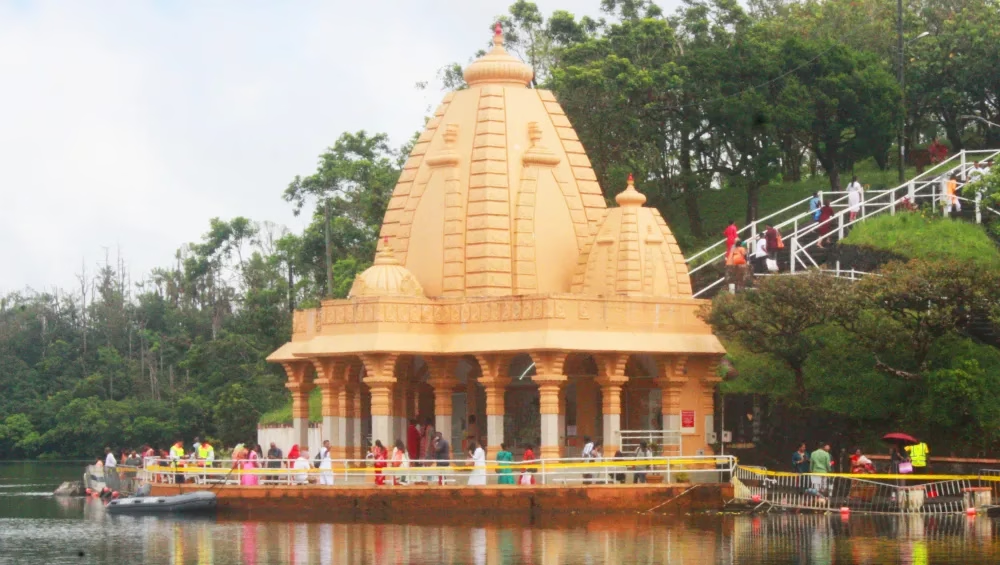
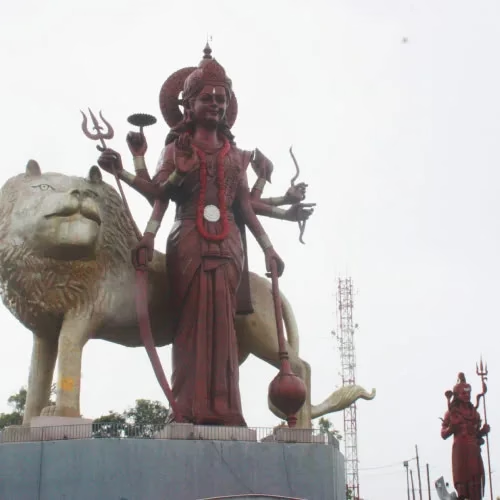
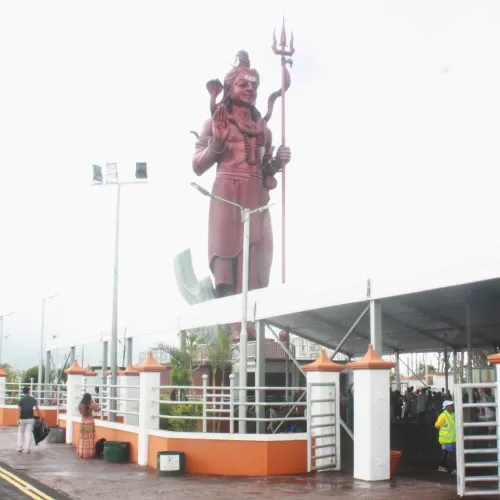
Maha Shivaratri is one of the most important Hindu festivals, observed by millions of Hindus worldwide. In Mauritius, this festival holds a special place, being one of the largest and most revered religious events on the island.
What is Maha Shivaratri?
Maha Shivaratri translates to “Shiva’s Great Night.” It is celebrated during the new moon phase, a time when the stars are hidden, symbolizing the victory of light over darkness and knowledge over ignorance. The festival usually falls in February or March and is dedicated to Lord Shiva, one of the principal deities in Hinduism.
A Night of Spiritual Significance
According to legend, Maha Shivaratri marks the night when Lord Shiva drank the poison that emerged during the churning of the ocean, saving the world from destruction. This act of self-sacrifice earned Shiva the name Neelkanth (the blue-throated one), a symbol of his strength and resilience.
The Grand Pilgrimage to Grand Bassin
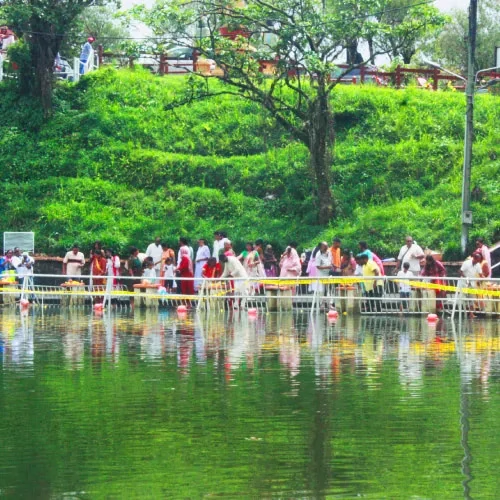
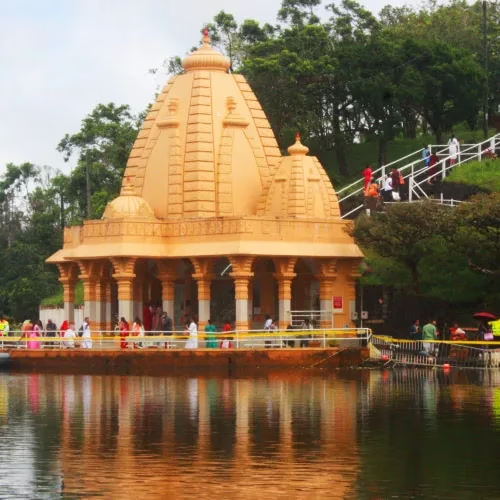
In Mauritius, a major highlight of Maha Shivaratri is the pilgrimage to Grand Bassin, also known as Ganga Talao. This sacred volcanic lake, located in the highlands, is considered the spiritual heart of the island. Every year, over 400,000 devotees, dressed in white, journey to the lake from all corners of Mauritius to offer prayers to Lord Shiva.
Sacred Water and Symbolism
In 1972, sacred water from the River Ganges was brought to Grand Bassin, establishing a symbolic link between India and Mauritius. Pilgrims carry kanwars, bamboo structures with pots, to collect water from the lake and offer it to Lord Shiva. This ritual is central to the celebration and holds deep religious significance.
Wildlife and Interaction
While visiting Grand Bassin, pilgrims often encounter monkey families in the surrounding forests. These monkeys are known to feast on offerings, and many visitors enjoy interacting with them. However, it’s important to exercise caution, as these creatures can be unpredictable.
Rituals and Celebrations
During Maha Shivaratri, devotees fast, offer prayers, and engage in various rituals to seek Lord Shiva’s blessings. The night is filled with spiritual activities, including chanting hymns, singing bhajans, and playing traditional tassa drums. The rhythmic beats of these drums contribute to the festive atmosphere, while vibrant processions and cultural performances enhance the celebratory mood.
Temples and Offerings
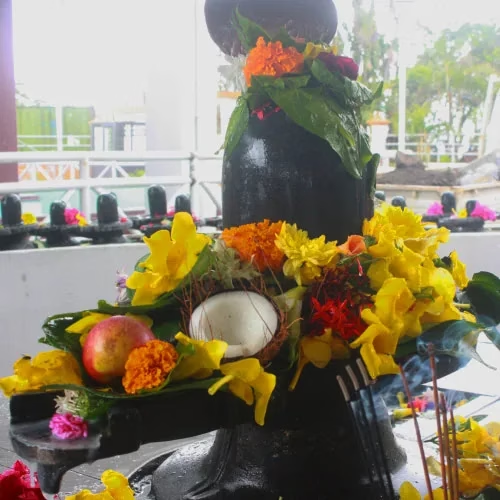
Temples across Mauritius are beautifully decorated with flowers, lights, and incense. Devotees bring offerings like fruits, flowers, and milk to honor Shiva, symbolizing purity and devotion. Volunteers also offer vegetarian food, including tea, juice, and snacks, to the pilgrims.
Cultural and Artistic Celebrations
Beyond the religious observances, Maha Shivaratri is a time to celebrate Mauritius’ rich cultural heritage. Traditional music and dance performances showcase the island’s diversity, while cultural exhibitions allow visitors to experience local artistry. These performances bring the island’s traditions to life, enriching the festival with artistic expression.
Safety Measures During the Festival
Given the large crowds and the religious significance of the event, organizers implement strict health and safety protocols. These measures help ensure the festival remains a safe and joyful occasion for everyone involved.
Conclusion: A Celebration of Faith and Culture
Maha Shivaratri in Mauritius is not only a spiritual event but also a celebration of culture, unity, and heritage. The island comes alive with devotion, music, dance, and a strong sense of community. For those who partake, it becomes an unforgettable experience, filled with both religious significance and cultural richness.