


BOOK NOW - Wellness Retreat in Mauritius - CLICK TO LEARN MORE

🦤 The Dodo of Mauritius—An Extinct Bird and a Symbol of History

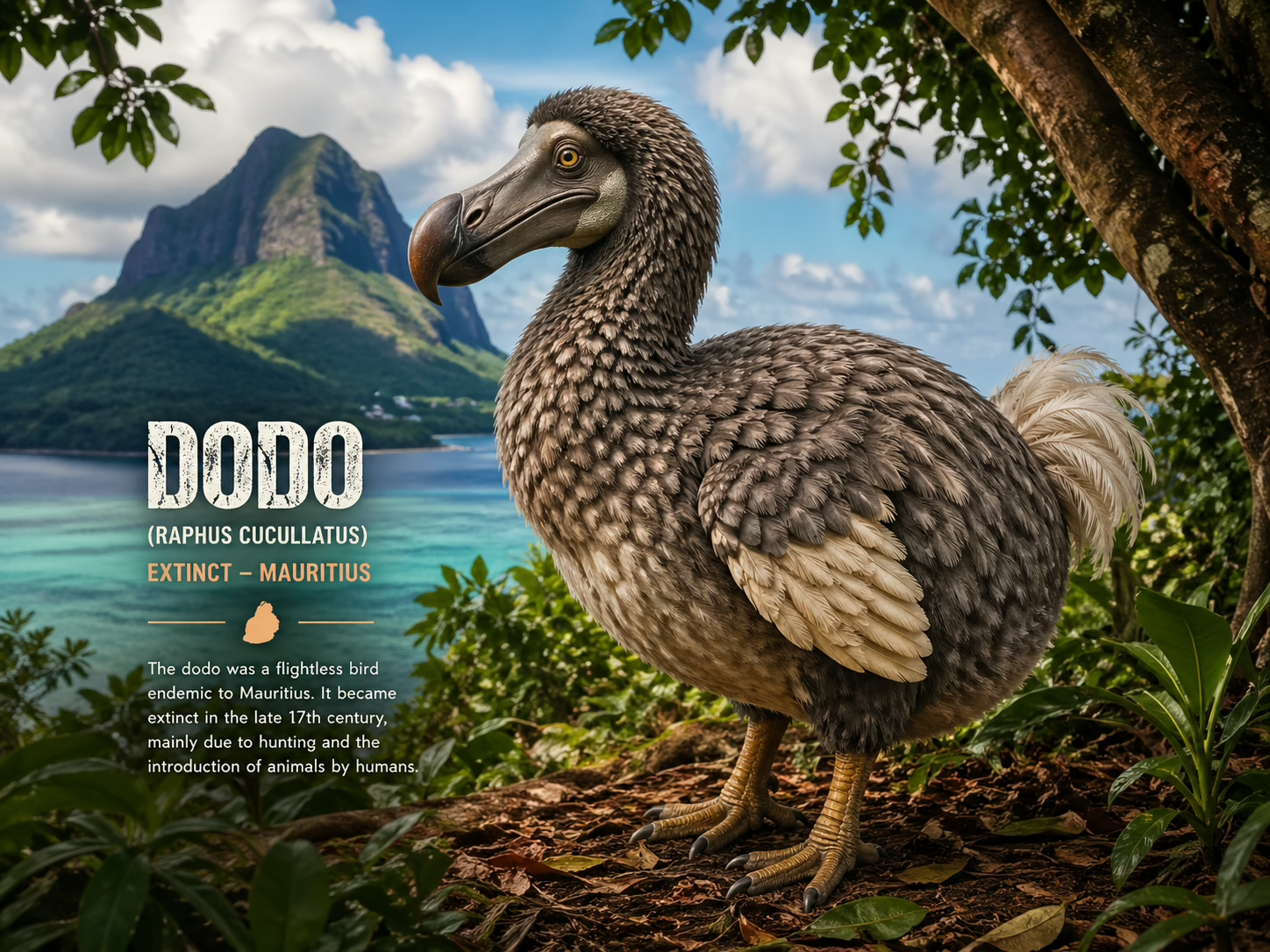

The dodo bird is one of the most iconic symbols of Mauritius, known worldwide as a powerful reminder of extinction, biodiversity, and human impact on nature. The dodo (Raphus cucullatus) was a flightless bird endemic to Mauritius that became extinct in the late 17th century. Although the dodo no longer exists, its story continues to shape Mauritian culture, history, tourism, and conservation awareness.
For visitors to Mauritius, learning about this extinct bird offers a deeper understanding of the island’s unique natural heritage and highlights the importance of protecting fragile ecosystems.
🌴 A Unique and Extinct Species of Mauritius
The dodo lived only in Mauritius, making it one of the most unique bird species ever discovered. With its round body, short wings, and large hooked beak, the dodo evolved in complete isolation for thousands of years. With no natural predators, the bird became calm, curious, and unafraid of humans—traits that sadly contributed to its extinction.
The first European records of the dodo date back to the late 1500s, when Dutch sailors arrived on the island. Within less than 100 years, the dodo became extinct due to overhunting, deforestation, and the introduction of invasive animals such as rats, pigs, and monkeys. Today, the dodo stands as a global symbol of extinction and a lesson in environmental responsibility.
🏛 The Dodo in Mauritian Culture
Although extinct, the dodo remains deeply rooted in Mauritian identity and pride. Its image can be found across the island in:
- Mauritian notes and postage stamps
- National logos and tourism branding
- Souvenirs, artwork, and cultural displays
- Museums and educational institutions


The dodo represents both Mauritius’ rich natural history and the importance of protecting endangered and endemic species. It has also inspired local art, literature, and conservation campaigns, making it much more than a bird—it is a national icon.
🏛 Natural History Museum – Port Louis – Discover the Dodo’s Legacy
One of the best places to learn about the dodo in Mauritius is the Natural History Museum in Port Louis, the oldest museum on the island. The museum plays a key role in preserving and showcasing Mauritius’ natural heritage, including both extinct and extant endemic species.
What you can see at the museum:
🦤 The only complete Dodo skeleton in Mauritius
Displayed in the Dodo Gallery, this rare skeleton allows visitors to understand the bird’s size, structure, evolution, and extinction.
🦤 Life-size reconstructions and replicas
These exhibits help visitors visualize what the dodo looked like when it lived in Mauritius.
🧠 Educational panels and displays
Information boards and occasional short films explain the dodo’s biology, habitat, and disappearance in a clear and engaging way.
📚 Historical and research references
Reading materials provide deeper insight into Mauritius’ natural history.
Good to know:
- The museum focuses on Mauritius’ endemic wildlife
- Entry is free on most days (check opening hours before visiting)
- Located in Port Louis, ideal for cultural and city tours
While many museums worldwide display only partial dodo remains or replicas, the Natural History Museum in Mauritius is one of the most important places globally to understand the true story of this extinct bird.
🌱 Learning from the Dodo—Conservation in Mauritius
The extinction of the dodo has strongly influenced conservation efforts in Mauritius. Today, the island is committed to protecting its remaining biodiversity through nature reserves and ecotourism initiatives.
Notable conservation sites include:
- Black River Gorges National Park
- Île aux Aigrettes Nature Reserve
- Sir Seewoosagur Ramgoolam Botanical Garden
These sites allow visitors to experience Mauritius’ biodiversity while learning from the lessons left behind by the dodo.
🦆 Why the Dodo Still Matters Today
Although the dodo is extinct, its legacy is very much alive. It reminds us of:
- The importance of protecting endemic species
- The need for sustainable and responsible tourism
- The value of environmental education
- Mauritius’ role as a leader in conservation in the Indian Ocean
🏝 Why the Dodo Makes Mauritius Special
The story of the dodo:
- Highlights Mauritius’ unique biodiversity
- Educates visitors about environmental preservation
- Inspires eco-conscious travel
- Enhances Mauritius’ appeal for wildlife, history, and culture lovers
Learning about the extinct dodo gives travelers a deeper connection to Mauritius, making every visit more meaningful and educational.